



SQL in Data Engineering explains how SQL powers real-world data pipelines, analytics, and reporting across US-based enterprises using simple examples.
Data is a precious thing and will last longer than the systems themselves.

 SQL in Data Engineering – Why It Matters First
SQL in Data Engineering is the backbone of how organizations store, transform, and analyze data. Almost every modern data platform—whether built on cloud warehouses, analytics tools, or reporting systems—relies on SQL to move and shape data efficiently.
From startups to Fortune 500 companies in the US, SQL remains the most trusted language for working with structured data.
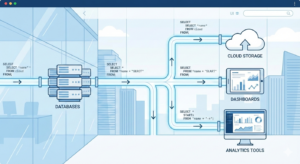
What Is SQL in Data Engineering?

SQL in Data Engineering refers to using Structured Query Language to:
-
Extract data from multiple sources
-
Transform raw data into meaningful formats
-
Load clean data into warehouses
-
Power dashboards, reports, and analytics
Unlike data analysts who focus on insights, data engineers focus on reliable, scalable data pipelines, and SQL is central to this work.
Real-World Example: Retail Data Pipeline
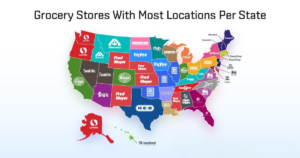
Consider a large US retail company like a nationwide grocery chain.
Every day:
-
Stores generate sales data
-
Online orders create transaction records
-
Inventory systems update stock levels
- Customer Loyalty & CRM Data
- Supplier & Logistics Data
A data engineer uses SQL in Data Engineering to:
-
Pull daily sales data
-
Clean incorrect entries
-
Aggregate revenue by state
-
Load results into a data warehouse
Executives then view this data in dashboards to make pricing and inventory decisions.
Why SQL Is Preferred in Data Engineering?
1. Easy to Learn and Read
SQL uses plain English-like syntax, making it accessible even to beginners.
2. Works with All Major Databases
SQL is supported by:
- PostgreSQL
- MySQL
- Oracle
- Snowflake
- BigQuery
- Amazon Redshift
This makes SQL in Data Engineering universally applicable.
SQL in Cloud-Based Data Engineering
Modern US companies rely on cloud platforms:
- AWS
- Azure
- Google Cloud
SQL is used to:
- Query cloud data warehouses
- Build ETL pipelines
- Optimize large-scale datasets
According to industry standards, SQL remains the most in-demand skill for data engineering roles.
🔗 Learn more about SQL standards from the official PostgreSQL documentation (DoFollow):
https://www.postgresql.org/docs/
Common Tools That Use SQL in Data Engineering
In real-world SQL in Data Engineering projects, SQL is not used in isolation. It works alongside modern tools and platforms that help organizations process massive volumes of data.
Popular tools used by US-based companies include:
- Amazon Redshift – Cloud data warehousing
- Google BigQuery – Serverless analytics platform
- Snowflake – Scalable cloud data warehouse
- Apache Airflow – Workflow orchestration using SQL-based tasks
- dbt (Data Build Tool) – SQL-based transformations
Data engineers write SQL queries to transform raw data into clean tables that analysts and dashboards can easily consume.
Challenges Faced When Using SQL in Data Engineering
While SQL in Data Engineering is powerful, beginners often face challenges such as:
1. Handling Large Datasets
Queries can become slow when datasets grow into millions of records.
This is why data engineers learn indexing, partitioning, and query optimization.
2. Managing Data Quality
Incorrect or missing data can affect reports. SQL helps validate and clean data using conditions and constraints.
3. Writing Maintainable Queries
Readable SQL is critical in team environments. Clean formatting and clear logic improve long-term maintainability.
SQL in Data Engineering vs SQL for Analytics
Although the syntax is the same, the purpose differs.
| Aspect | Data Engineering | Data Analytics |
|---|---|---|
| Focus | Data pipelines | Insights & reporting |
| Data Size | Very large | Medium to large |
| Goal | Reliability | Decision-making |
| SQL Usage | Transform & load | Analyze & visualize |
Understanding this difference helps beginners choose the right learning path.
SQL vs Programming Languages in Data Engineering
While Python or Java handle automation, SQL in Data Engineering handles:
- Data filtering
- Aggregation
- Joins across systems
- Business logic inside databases
SQL reduces processing time and improves performance when working with large datasets.
SQL in Data Engineering is not optional—it is essential. Whether you are building pipelines, maintaining data warehouses, or supporting analytics teams, SQL ensures data accuracy and efficiency.
Our DBS University provides a career focus SQL course which can help to make yourself industry ready.
For anyone starting a career in data engineering, mastering SQL is the first and most important step.
0 Comments