





Learn how to apply SQL in real-world business scenarios using practical examples from retail, finance, healthcare, and analytics to solve everyday data challenges effectively.
Data beats emotions.
 Introduction
Learning SQL syntax is important, but true mastery comes from applying SQL to real-world problems. In production environments, SQL is used to analyze customer behavior, manage transactions, clean data, generate reports, and support decision-making.
This blog walks through practical SQL scenarios that reflect how SQL is used in real business systems, helping you transition from theory to hands-on problem solving.
 Scenario 1: Identifying Top-Selling Products (Retail Analytics)
Business Requirement:
A retail company wants to identify products with the highest sales revenue.

Key SQL Concepts Used
-
GROUP BY -
Aggregate functions (
SUM) -
ORDER BY
SELECT product_id,
SUM(quantity * price) AS total_sales
FROM sales
GROUP BY product_id
ORDER BY total_sales DESC;
Explanation:
This query groups sales by product and calculates total revenue, helping the business focus on high-performing items.
Scenario 2: Finding Customers with No Recent Activity (Marketing)
Business Requirement:
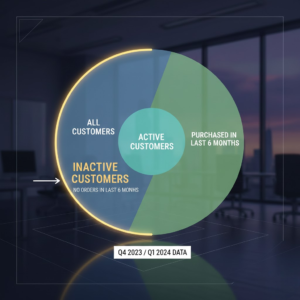
Marketing teams need to identify customers who have not placed any orders in the last 6 months.
Key SQL Concepts Used
-
LEFT JOIN -
Date filtering
-
WHERE IS NULL
Example:
SELECT c.customer_id, c.customer_name
FROM customers c
LEFT JOIN orders o
ON c.customer_id = o.customer_id
AND o.order_date >= CURRENT_DATE - INTERVAL '6 months'
WHERE o.order_id IS NULL;
Explanation:
This helps marketing teams target inactive customers with re-engagement campaigns.
Scenario 3: Detecting Duplicate Records (Data Cleaning)
Business Requirement:
A database contains duplicate user records that must be identified.
Key SQL Concepts Used
-
GROUP BY -
HAVING
Example:
SELECT email, COUNT(*) AS duplicate_count
FROM users
GROUP BY email
HAVING COUNT(*) > 1;
Explanation:
This query highlights duplicate entries, enabling data quality improvement.
Scenario 4: Ranking Employees by Performance (HR Analytics)
Business Requirement:
HR wants to rank employees based on performance scores.

Key SQL Concepts Used
-
Window functions
-
RANK()
Example:
SELECT employee_name,
       performance_score,
       RANK() OVER (ORDER BY performance_score DESC) AS performance_rank
FROM employees;
Explanation:
This maintains row-level detail while assigning rankings for evaluation.
Scenario 5: Calculating Monthly Revenue Trends (Finance Reporting)
Business Requirement:
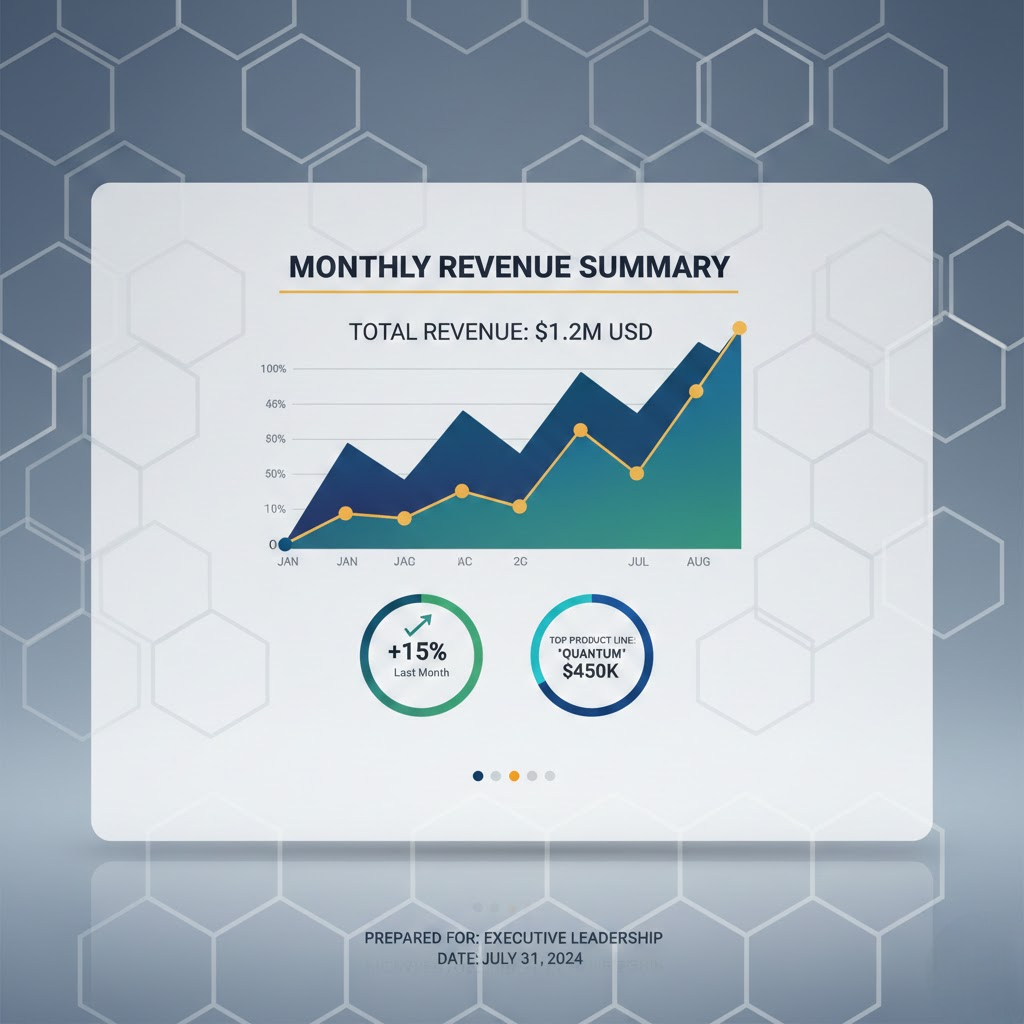
Finance teams need monthly revenue summaries.
Key SQL Concepts Used
- Date functions
- Aggregations
Example:
SELECT DATE_TRUNC('month', order_date) AS month,
       SUM(order_amount) AS total_revenue
FROM orders
GROUP BY month
ORDER BY month;
Explanation:
This enables trend analysis for budgeting and forecasting.
Scenario 6: Enforcing Business Rules Using Transactions
Business Requirement:
A banking system must ensure balance updates are atomic.

Key SQL Concepts Used
- Transactions
COMMITandROLLBACK
Example:
BEGIN;

UPDATE accounts
SET balance = balance - 500
WHERE account_id = 101;

UPDATE accounts
SET balance = balance + 500
WHERE account_id = 202;

COMMIT;
Explanation:
If any step fails, the transaction can be rolled back to prevent inconsistencies.
Scenario 7: Analyzing Running Totals (Operational Reporting)
Business Requirement:
Track cumulative sales over time.

Key SQL Concepts Used
- Window functions
SUM() OVER()
Example:
SELECT order_date,
       order_amount,
       SUM(order_amount) OVER (ORDER BY order_date) AS running_total
FROM orders;
Explanation:
Running totals help management monitor performance in real time.
Scenario 8: Monitoring Inventory Stock Levels (Supply Chain Management)
Business Requirement:
A warehouse team needs to identify products that are running low on stock to trigger restocking.

Key SQL Concepts Used
- Conditional filtering
WHEREclause- Threshold-based alerts
Example:
SELECT product_id, product_name, stock_quantity
FROM inventory
WHERE stock_quantity < 50;
Explanation:
This query helps operations teams proactively manage inventory and avoid stock-out situations that impact sales.
Scenario 9: Detecting Fraudulent Transactions (Banking & Finance)
Business Requirement:
A financial institution wants to flag unusually large transactions for further review.

Key SQL Concepts Used
- Conditional logic
- Comparison operators
- Risk analysis queries
Example:
SELECT transaction_id, account_id, amount, transaction_date
FROM transactions
WHERE amount > 100000;
Explanation:
Such queries are commonly used in fraud detection systems to identify suspicious activities in real time.
Scenario 10: Measuring Customer Retention Rate (Subscription Businesses)
Business Requirement:
A subscription-based company wants to track customers who renewed their subscriptions.

Key SQL Concepts Used
JOIN- Date comparisons
- Customer lifecycle analysis
Example:
SELECT c.customer_id, c.customer_name
FROM customers c
JOIN subscriptions s
ON c.customer_id = s.customer_id
WHERE s.renewal_date IS NOT NULL;
Explanation:
This allows businesses to measure retention, identify loyal customers, and improve subscription strategies.
Best Practices for Real-World SQL Usage
- Always validate data before running updates or deletes
- Use transactions for critical operations
- Prefer window functions over subqueries when possible
- Index frequently filtered columns
- Write readable and maintainable queries
Practical SQL scenarios bridge the gap between learning SQL and using SQL professionally. From retail analytics to financial reporting and data cleaning, SQL powers nearly every modern data-driven system.
Our DBS University provides a career focus SQL course which can help to make yourself industry ready.
By practicing these real-world examples, you build confidence, efficiency, and job-ready SQL expertise.
0 Comments